“Why Gen Z Is Actively Seeking Community in a Hyper-Digital World”
The Rise of “Community” Discourse
In recent years, the concept of community has become central for current Gen Z adults and many young teens. Brands no longer talk only about reaching audiences or gaining followers, they talk about building communities. Social media platforms have evolved into interactive ecosystems where participation is valued over passive consumption. Whether it’s online spaces, events, or brand groups, companies are increasingly trying to create places where people feel like they belong.
This big shift is largely driven by Generation Z. Individuals born roughly between 1997 and 2012 who grew up in a world filled with smartphones, social media, and constant digital interaction. Ironically, even though this generation is the most connected online, many studies show that they also report high levels of loneliness and social isolation. Because of this, Gen Z appears to be actively searching for spaces where they can form genuine connections with others.
As public relations professionals, understanding this craving for community is essential. In this post, we’ll define what Gen Z’s craving for community means, explore why it is happening, examine it for brands and PR strategy, and provide guidance for organizations navigating this shift.
What is Gen Z’s craving for community?
Gen Z’s craving for community refers to a growing desire among young people to feel connected to others through shared interests, identities and experiences. Rather than possessively consuming online content, Gen Z seeks environments where they participate in groups they can interact, collaborate, and feel like they belong.
This idea goes beyond just having followers or online engagement. It focuses more on building meaningful relationships and shared experiences. For Gen Z, community often means smaller, more interactive spaces where people can communicate openly rather than large, one-way platforms where content is broadcast.
Gen Z seeks spaces where they can engage, contribute, and feel socially connected within groups that reflect their values, interests, and identities. Unlike traditional audience engagement, this form of community is interactive, decentralized, and emotionally driven. It emphasizes a shift from a culture of visibility where people focused on likes and views, to a culture of connection where people care more about relationships and shared interest.
Why is Gen Z’s Craving for Community Important?
There are several reasons why Gen Z is placing such a strong emphasis on community, and many of them are tied to social and cultural changes over the past decade.
Research from the Cigna U.S Loneliness Index has consistently shown that Gen Z reports some of the highest levels of loneliness among all age groups (Cigna 2023). Similarly, Pew Research Center findings indicate that younger adults are more likely than older generations to report feelings of social isolation. Even though young people spend large amounts of time on social media, digital interaction does not always replace meaningful in-person relationships.
A major factor is the COVID-19 pandemic. Many Gen Z individuals were in adolescence or early adulthood during the height of lockdowns. These are typically important years for developing friendships, building identity, and experiencing major life milestones. Instead of in-person classes, social gatherings, & campus life, many young people experienced remote learning and long periods of isolation.
The American Psychological Association noted that young adults experienced increased stress and mental health challenges during the pandemic, partly due to social disruption (American Psychological Association 2022). Because of this, many members of Gen Z are now seeking more intentional ways to reconnect.
Many young people turn toward peer groups and communities for support, identity, and validation. These factors have helped shape a generation that values belonging and shared experience more than previous generations. COVID-19 did not create Gen Z’s need for belonging, but it significantly accelerated and intensified it during a sensitive developmental stage.
Real Examples of Community Coming Back
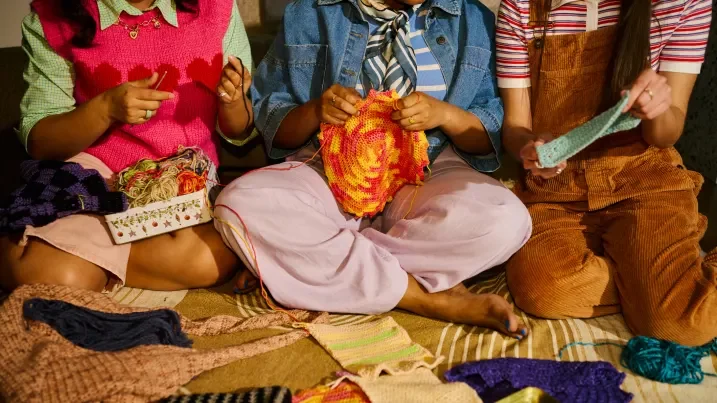
One interesting result of this trend is the return of hobbies and activities that encourage in-person connection. Many Gen Z individuals are rediscovering activities that allow them to interact with others in smaller, more relaxed settings.
For example, hobbies like knitting, crocheting, embroidery, and pottery have become increasingly popular among younger people. Social media platforms like Tiktok have entire communities dedicated to “fiber arts” or pottery tutorials, where people share projects and connect with others who have the same interest. TikTok and Instagram label these subcultures as “grandma core”. The younger demographic is craving for hands-on, in-person, and skill-based communities like never before. These activities may seem simple, but they provide something that digital environments often lack: face-to-face interaction and hands-on creativity. Sitting in a knitting circle or pottery class space for conversation and collaboration in a way that scrolling through social media cannot.
Sports and recreational activities are also seeing a similar resurgence. Pickleball leagues and run clubs have grown rapidly in popularity among younger players. These spaces foster small-group belonging rather than mass visibility, by combining exercise with social interaction.
Run clubs, book clubs, art workshops, and local hobby groups are also becoming more common among Gen Z. These spaces allow people to meet others with similar interests while building relationships in real life.
This shift signals a broader cultural reset. While Gen Z still spends time online, many are actively seeking experiences to connect offline as well. Community is being rebuilt not only through screens, but through shared physical environments.
How This Affects Brands and Public Relations
For public relations professionals, Gen Z’s focus on community changes how organizations need to approach communication and engagement.
In the past, many brands focused primarily on broadcasting messages to larger audiences. However, Gen Z tends to respond better to interactive communication. They want brands to listen, respond, and participate in conversations rather than simply promote products. Gen Z expects dialogue, transparency, and collaboration. Two-way communication models where organizations listen as much as they speak.
Authenticity also plays a major role. Gen Z is often quick to recognize when brands are performing or inauthentic. Community-building cannot be a marketing tactic or campaign-based. It must feel genuine and reflect the brand’s values.
Another important shift is the role of individuals. As young consumers gravitate toward knitting clubs, pottery studios, and recreational leagues, brands have the opportunity to mirror this desire for tactile connection. Many brands are now working with micro-influencers or creators who have smaller but more engaged communities. These creators often build stronger trust with their audiences because they feel more relatable than traditional celebrity endorsements.
Experiential marketing is also becoming more popular. Instead of only promoting products online, brands are hosting pop-up events, workshops, and community gatherings that allow people to connect in person. These experiences mirror the types of communities that align more closely with Gen Z’s behavior around hobbies and social activities.
For PR professionals, the key takeaway is that successful communications is no longer just about reaching people, it’s about creating spaces where people feel connected.
Conclusion
Gen Z’s craving for community reflects larger cultural changes happening in society. Growing up in a highly digital world, along with the social disruptions of COVID-19 pandemic, has led many young people to actively seek out spaces where they can feel connected and supported.
Whether that be joining a pickleball league, attending a pottery class, or participating in an online niche community, Gen Z is redefining what connection looks like in both digital and physical spaces.
For brands and public relations professionals, understanding this shift is essential. Building community is no longer just a trend but a core part of how organizations build trust and long-term relationships with audiences.
References
American Psychological Association. (2022). Stress in America: The impact of COVID-19.
Cigna. (2023). U.S. Loneliness Index.
Edelman. (2024). Edelman Trust Barometer.
